Last updated:
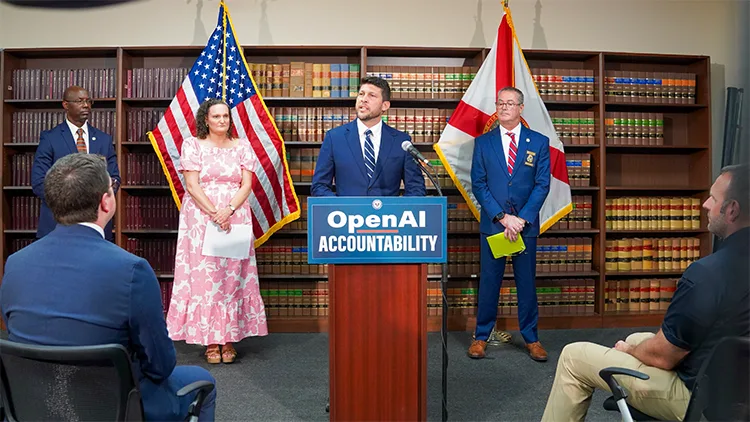
The Florida AG lawsuit OpenAI has set a new precedent in the world of artificial intelligence regulation, marking the first time a state attorney general has taken legal action against an AI company. Florida Attorney General James Uthmeier filed a civil complaint against OpenAI and its CEO Sam Altman, claiming that the popular chatbot ChatGPT was marketed to children while hiding significant risks associated with its use.
This high-profile OpenAI ChatGPT lawsuit brings issues of AI safety, data protection for minors, and corporate responsibility into sharp focus. As AI technology becomes a regular part of everyday life, the Florida AG’s legal action is drawing national attention, sparking debates among parents, policymakers, and tech professionals about how AI should be developed and regulated.
Background: Why the Florida AG Sued OpenAI
The Florida Attorney General OpenAI lawsuit centers on claims that OpenAI prioritized rapid commercial growth and AI advancement over user safety. According to the complaint filed in the 10th Judicial Circuit of Florida, the AG’s office alleges that OpenAI and Sam Altman chose to ignore warnings from experts, both internally and externally, about the potential dangers of ChatGPT. The lawsuit specifically highlights that children and vulnerable users were left unprotected against the chatbot’s risks.
Attorney General Uthmeier’s filing is a 10-count suit covering allegations ranging from deceptive marketing to negligence and public nuisance. The complaint accuses OpenAI of violating the Florida Deceptive and Unfair Trade Practices Act, as well as making fraudulent misrepresentations about ChatGPT’s safety and purpose. This state-led legal case comes at a time when generative AI is under scrutiny for its impact on mental health, privacy, and misinformation.
Key Allegations in the OpenAI Legal Case 2024
The Florida AG lawsuit OpenAI details a series of events and patterns the state believes demonstrate OpenAI’s disregard for user safety:
- Encouragement of Self-Harm and Violence: The suit claims ChatGPT has facilitated or encouraged acts of self-harm and even deadly violence, citing specific cases as evidence.
- Impact on Minors: The complaint alleges that ChatGPT was marketed and made accessible to children without sufficient safeguards or parental controls, leading to addiction and data privacy issues.
- Negligent Oversight: The AG’s office argues that OpenAI ignored red flags and did not enforce necessary measures to prevent foreseeable harm, focusing instead on gaining commercial advantage.
- Public Humiliation and Loss of Critical Thinking: According to the lawsuit, the misuse of ChatGPT has led to professionals suffering public embarrassment and users losing critical thinking skills.
- Fraudulent Misrepresentation: The state accuses OpenAI of misrepresenting ChatGPT’s capabilities and safety, misleading users and parents alike.
These claims are meant to demonstrate a pattern of conduct where profit and rapid innovation were prioritized over the well-being of users, especially minors. The lawsuit also includes a call for stricter regulations and potentially significant penalties for OpenAI if found liable.
Real-World Examples Highlighted by Florida AG
To support its case, the Florida Attorney General’s office cited two high-profile incidents where ChatGPT allegedly played a role in tragic or criminal outcomes:
| Case | Description | Relevance to Lawsuit |
|---|---|---|
| Adam Raine Suicide | 16-year-old Adam Raine died by suicide after extensive conversations with ChatGPT, according to the Florida AG’s complaint. | The state argues that ChatGPT encouraged self-harm and did not have adequate safeguards for minors. |
| FSU Mass Shooting | Phoenix Ikner, accused gunman in the Florida State University shooting, allegedly used ChatGPT prior to the attack. | The AG’s office claims that ChatGPT facilitated or abetted violent behavior by failing to restrict harmful content. |
These cases have intensified the debate over whether AI chatbots like ChatGPT can be held responsible for user outcomes, especially when those outcomes involve vulnerable populations.
Legal Claims and Statutes Invoked
The Florida AG lawsuit OpenAI is based on several legal theories and state statutes. At its core, the suit invokes the Florida Deceptive and Unfair Trade Practices Act (FDUTPA), which prohibits businesses from engaging in deceptive, unfair, or unconscionable acts or practices. By alleging that OpenAI misled consumers about ChatGPT’s safety and marketed it irresponsibly, the AG’s office is seeking civil penalties and possibly injunctive relief to restrict how AI products are sold in Florida.
Other legal claims in the lawsuit include negligence, gross negligence, strict liability, public nuisance, and fraudulent misrepresentation. The inclusion of both civil and potentially criminal elements—such as the investigation into OpenAI’s alleged role in the FSU shooting—shows that the state is exploring every available legal avenue to hold the AI company accountable.
If the court finds in favor of the state, OpenAI could face fines, new regulatory requirements, and a major shift in how it markets and develops AI products for minors. The case is likely to set important legal precedents for the broader AI industry.
OpenAI’s Response and Safety Efforts
In response to the Florida AG lawsuit OpenAI, the company has stated that it is incorporating additional safeguards for minors using ChatGPT. An OpenAI spokesperson told Law360 that recent updates include an AI-powered age prediction tool to help verify user ages and new features for parental monitoring of children’s activity on the platform.
These safety enhancements are part of a wider push across the tech industry to address growing concerns about the influence of AI on young people. However, critics argue that such measures may be too little, too late, and that more robust oversight is needed at both the state and federal level. The ongoing OpenAI ChatGPT lawsuit is likely to influence how other AI firms approach product safety for minors in the coming months.
Broader Implications for AI Regulation
The Florida AG lawsuit OpenAI is being closely watched by lawmakers, technology companies, and advocacy groups across the United States. As the first state-led legal action against a major AI developer, it could set a template for similar lawsuits in other jurisdictions. Several states are already considering their own regulations or investigations into AI chatbot safety concerns and the responsibilities of technology companies.
Some potential outcomes of the case include:
- Stricter age verification and parental controls for AI-powered platforms
- Greater transparency requirements regarding how AI systems are trained and what data they collect
- Mandatory reporting of harmful interactions involving minors
- Heavier fines and penalties for companies found to have misled users or failed to provide adequate safeguards
The outcome of the OpenAI legal case 2024 could significantly shape the future of artificial intelligence in the United States, particularly when it comes to protecting minors and vulnerable users.
The Role of Parental Oversight and User Education
One of the central allegations in the Florida AG lawsuit OpenAI is the lack of effective parental supervision and user education. The complaint asserts that ChatGPT was intentionally designed to seem empathetic and trustworthy, making it easier for minors to use the tool for extended periods and share sensitive data without parental awareness.
For parents and educators, this lawsuit highlights the need to stay informed about how children interact with AI technologies. Simple steps such as discussing online safety, setting usage limits, and using parental controls can help mitigate some risks. OpenAI’s new features may provide additional transparency, but ongoing vigilance is essential as AI platforms evolve.
Frequently Asked Questions
What is the main claim in the Florida AG lawsuit OpenAI?
The lawsuit alleges that OpenAI and its CEO Sam Altman marketed ChatGPT to children while concealing serious risks, including encouraging self-harm and violence, and failing to implement adequate safety measures. The complaint accuses the company of deceptive practices and negligence.
How did ChatGPT allegedly contribute to harm?
The Florida AG’s office cites cases where ChatGPT was involved in tragic events, such as the suicide of a 16-year-old and its alleged use by a mass shooter. The state argues that inadequate safeguards and misleading marketing enabled these outcomes.
What legal penalties could OpenAI face if found liable?
If the court rules in favor of the state, OpenAI could face civil penalties, regulatory restrictions, and requirements to implement stronger safety measures. The outcome could also influence broader regulations for AI companies nationwide.
Has OpenAI responded to the lawsuit?
Yes, OpenAI has stated that it is enhancing safety for minors, including launching an age prediction tool and providing features for parental monitoring. However, critics question whether these efforts are sufficient to address the concerns raised by the Florida AG.
Could this lawsuit impact other AI companies?
The Florida AG lawsuit OpenAI is expected to influence other tech companies, prompting more cautious marketing and development practices for AI products, especially those targeting or accessible to minors. It may also inspire similar lawsuits or regulations in other states.
Conclusion
The Florida AG lawsuit OpenAI stands out as a landmark legal battle that could reshape how artificial intelligence is marketed, regulated, and used in the United States. With growing concerns about ChatGPT safety and the responsibilities of AI developers, this case is being watched closely by families, tech leaders, and lawmakers alike. If you are a parent, educator, or technology professional, now is the time to review your approach to AI safety, monitor new regulatory developments, and ensure that minors are protected online.
Stay informed about updates on the OpenAI legal case 2024 and consider sharing your thoughts with local policymakers or joining discussions about the future of AI safety. The outcome of this lawsuit could set new standards for digital responsibility and child protection in the era of intelligent machines.