Last updated:
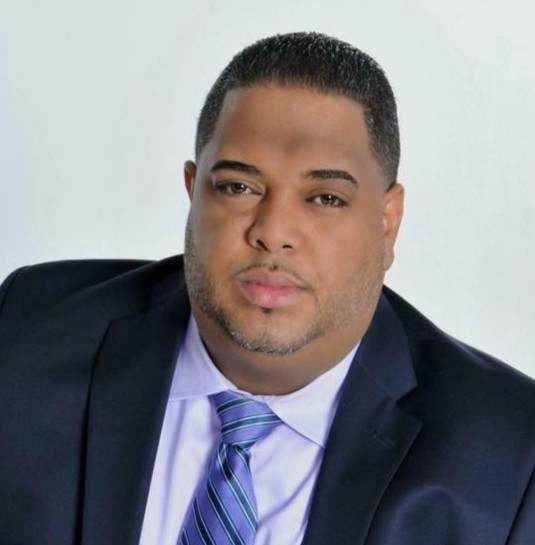
Pandemic benefit fraud has become a serious concern across the United States, reaching even the halls of the Massachusetts State House. In August 2024, Rep. Francisco E. Paulino was charged with defrauding pandemic relief programs, adding another chapter to the growing list of Massachusetts politician fraud scandals.
Paulino, a recently elected lawmaker and tax attorney, is accused of illegally obtaining more than $700,000 in COVID-19 unemployment and small-business benefits. This high-profile case highlights how pandemic benefit fraud can undermine public trust and siphon resources meant for those truly in need.
The Charges Against Francisco Paulino
Federal prosecutors unsealed a grand jury indictment charging Rep. Francisco Paulino with multiple counts of pandemic benefit fraud and money laundering. The indictment alleges that Paulino orchestrated a scheme to obtain over $700,000 in COVID-19 unemployment insurance and small-business loans.
According to court documents, Paulino used his expertise as a tax attorney—and his business connections in tax preparation and mortgage services—to funnel illegal funds into property purchases and personal loans to his clients. The scale and sophistication of the alleged scheme point to a calculated abuse of pandemic-era relief intended to support struggling individuals and small businesses.
Paulino’s case is not isolated. The U.S. attorney’s office for Massachusetts has intensified efforts to root out COVID-19 unemployment fraud and related crimes, especially when committed by public officials. Paulino’s indictment comes on the heels of another major Massachusetts State House scandal involving Lawrence Mayor Brian Depena, who faces separate charges of misappropriating over $1.5 million in pandemic loans.
How Pandemic Benefit Fraud Occurred During COVID-19
Pandemic benefit fraud surged between 2020 and 2022, as federal and state governments rolled out emergency relief programs with unprecedented speed. While these programs provided essential lifelines for millions, they also created opportunities for exploitation.
Common forms of COVID-19 unemployment fraud included filing false claims using stolen identities, inflating payroll expenses to secure larger small-business loans, and diverting funds to personal use. Lax verification processes and the urgency of the situation made it easier for bad actors—sometimes even trusted professionals like Paulino—to siphon off large sums.
- Submitting unemployment applications under fake or stolen identities
- Falsifying business revenue or employee counts to inflate loan amounts
- Using shell companies or personal accounts to launder funds
- Providing kickbacks to accomplices or intermediaries
The U.S. Department of Labor estimates that improper unemployment payments during the pandemic exceeded $191 billion nationwide. Massachusetts was among the hardest-hit states, with fraudsters exploiting both state and federal relief provisions.
Political Fallout: Massachusetts State House Scandals
The indictment of Francisco Paulino has intensified scrutiny of Massachusetts politician fraud. When public officials are implicated in pandemic benefit fraud, the consequences reach far beyond financial losses—they erode voter confidence in government and spark calls for reform.
Paulino is the second Massachusetts government official charged with pandemic-related fraud in August alone. Earlier in the month, Lawrence Mayor Brian Depena was arrested for allegedly using more than $1.5 million in small-business loans to fund his campaign and pay personal expenses. These back-to-back scandals have fueled a wave of criticism and demands for stricter oversight of pandemic relief programs.
Massachusetts lawmakers and watchdog groups are now pushing for:
- Stricter eligibility verification for relief applicants
- Enhanced auditing of elected officials’ financial activities
- Stronger whistleblower protections
- Clearer conflict-of-interest rules for public officers involved in pandemic aid distribution
These measures aim to restore integrity at the Massachusetts State House and prevent future abuses of public trust.
The Mechanics of Money Laundering Charges
Money laundering is often closely linked with pandemic benefit fraud. In the Paulino case, prosecutors allege he moved ill-gotten funds through various channels to disguise their origin, such as purchasing real estate and issuing personal loans through his businesses.
Money laundering typically involves three stages: placement, layering, and integration. Here’s how these might have played out in the context of pandemic fraud:
| Stage | Description | Example in Paulino Case |
|---|---|---|
| Placement | Getting illegal funds into the financial system | Depositing COVID-19 relief funds into business accounts |
| Layering | Moving funds to obscure their origin | Transferring money between personal and client accounts |
| Integration | Spending or investing laundered money to make it appear legitimate | Buying property and issuing loans |
Federal investigators use sophisticated forensic tools to trace these transactions, but the process becomes more complex when professionals with insider knowledge, like tax attorneys, are involved.
Impact on Public Trust and State Resources
Cases of COVID-19 unemployment fraud by public officials not only deplete relief funds but also damage the public’s faith in government. When a Massachusetts State House representative is indicted for pandemic benefit fraud, it raises serious questions about oversight and ethical standards at the highest levels of state government.
Every dollar siphoned off through fraud is a dollar not reaching a struggling family or small business. In Massachusetts, more than 2.5 million unemployment claims were filed during the height of the pandemic. The loss of $700,000 to a single fraudulent actor, as alleged in Paulino’s case, could have supported hundreds of legitimate claimants.
Beyond the immediate financial loss, these scandals increase pressure on regulatory agencies and may result in more onerous procedures for future relief programs—potentially slowing down aid to those who need it most.
Lessons Learned and Steps Forward
The Francisco Paulino indictment serves as a wake-up call for state governments nationwide. Preventing pandemic benefit fraud requires a multi-pronged approach, from tightening application processes to holding public officials to higher standards of accountability.
Here are several steps being considered or implemented in Massachusetts and other states:
- Upgrading identity verification software to detect fraudulent claims
- Cross-referencing applicant data with tax and employment records
- Conducting independent audits of public officials’ financial dealings
- Encouraging whistleblowers to report suspicious activity, with legal protections
- Providing ethics training for all state employees involved in relief distribution
As more cases like Paulino’s come to light, there is growing momentum for systemic reform. States are investing in fraud prevention technology and re-examining the checks and balances that guard against corruption in emergency aid programs.
Frequently Asked Questions
What is pandemic benefit fraud?
Pandemic benefit fraud refers to the illegal acquisition of relief funds intended for individuals and businesses affected by COVID-19. This can include falsifying unemployment claims, inflating business expenses for loan eligibility, or using stolen identities to collect multiple benefits.
Who is Francisco Paulino?
Francisco E. Paulino is a Massachusetts State House Representative for the 16th Essex district. Elected in 2023, Paulino is also a tax attorney and business owner. In August 2024, he was indicted on charges of pandemic benefit fraud and money laundering after allegedly obtaining more than $700,000 in fraudulent COVID-19 relief funds.
How did Paulino allegedly commit COVID-19 unemployment fraud?
According to federal prosecutors, Paulino used his knowledge of tax and mortgage law to submit fraudulent claims for unemployment insurance and small-business loans. He allegedly funneled the money through personal and business accounts, used it to buy property, and loaned out funds to clients, disguising the illegal proceeds as legitimate business transactions.
What are the consequences of pandemic benefit fraud for public officials?
Public officials convicted of pandemic benefit fraud face severe penalties, including imprisonment, fines, and permanent disqualification from holding public office. Beyond the legal consequences, these cases can destroy careers and cause lasting damage to public confidence in government institutions.
What is being done to prevent future Massachusetts politician fraud?
The state is implementing stricter eligibility checks for relief programs, increasing audits of government officials, and investing in better fraud detection technology. There is also a push for greater transparency and accountability, especially for those in positions of public trust.
Conclusion
The indictment of Rep. Francisco Paulino shines a spotlight on the pervasive threat of pandemic benefit fraud, especially when it involves trusted public officials. As Massachusetts grapples with this latest State House scandal, the need for tighter safeguards and higher ethical standards has never been clearer.
Protecting relief funds requires vigilance from both authorities and the public. If you suspect fraud or have information about misuse of pandemic benefits, contact your local authorities or submit a tip to the U.S. Department of Labor’s Office of Inspector General. Together, we can ensure that aid reaches those who need it—and keep public institutions accountable.