I. Introduction
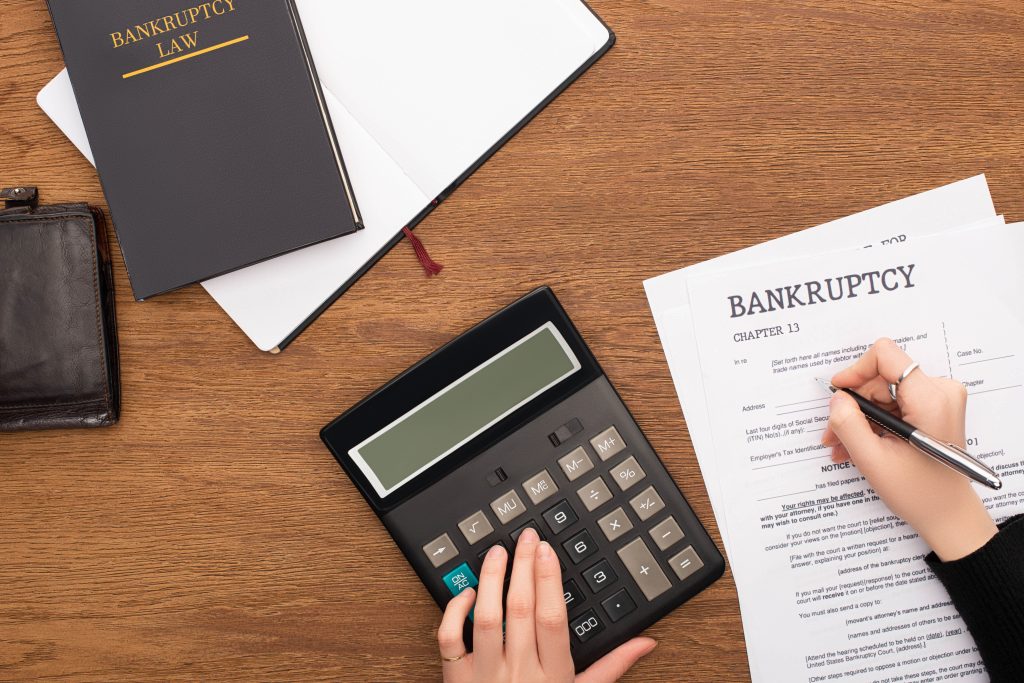
Bankruptcy is often seen as a last resort for individuals or businesses facing overwhelming debt. While it can provide a fresh start financially, it is essential to understand that bankruptcy carries significant hidden costs beyond just the immediate financial implications. This article delves into these hidden costs, exploring the emotional, social, professional, and legal ramifications that can arise from declaring bankruptcy. Understanding these factors is crucial for anyone considering this option, as it allows for a more informed decision-making process.
II. Emotional and Psychological Impacts
A. Stress and Anxiety
The process of declaring bankruptcy can be incredibly stressful, leading to heightened anxiety levels. The uncertainty surrounding one’s financial future can create an overwhelming sense of pressure. Individuals often worry about how their financial situation will affect their lives, leading to sleepless nights and constant stress. This anxiety can exacerbate existing mental health issues or even lead to new ones.
Moreover, the emotional toll of bankruptcy does not end with the declaration. Many individuals experience ongoing stress about their ability to rebuild their finances and regain stability. The fear of being unable to secure loans or credit in the future can loom large, contributing to a feeling of helplessness.
B. Impact on Self-Esteem
Bankruptcy often leads to a decline in self-esteem. The societal stigma attached to bankruptcy can make individuals feel judged or viewed as failures. This perception can cause shame, further impacting one’s mental health and self-worth. The feelings of inadequacy can manifest in various ways, affecting personal relationships and everyday interactions.
As individuals navigate their bankruptcy journey, they may find themselves grappling with feelings of guilt or regret. These feelings can hinder their ability to move forward, trapping them in a cycle of negative self-perception. Over time, rebuilding confidence and self-esteem becomes a crucial part of the recovery process.
C. Long-term Mental Health Effects
The psychological impacts of bankruptcy can be long-lasting. Many individuals report experiencing depression or ongoing anxiety long after their bankruptcy case is resolved. The mental burden of financial distress can linger, making it challenging to focus on future goals and aspirations. This lingering effect can influence personal relationships and hinder professional development.
It is essential for individuals who have gone through bankruptcy to seek mental health support. Therapy or support groups can provide a safe space to discuss feelings and develop coping strategies, promoting overall well-being as they rebuild their lives.
III. Social Consequences
A. Stigma Associated with Bankruptcy
Society often places a stigma on those who file for bankruptcy, viewing it as a sign of poor financial management or irresponsibility. This stigma can lead to social isolation, as individuals may feel embarrassed or ashamed to discuss their financial situation with friends and family. The fear of judgment can create barriers to forming new relationships or maintaining existing ones.
This stigma is compounded in professional settings, where individuals may fear that their bankruptcy status will affect their credibility or reputation. Navigating social situations while carrying the weight of this stigma can be emotionally taxing, further contributing to feelings of isolation.
B. Effects on Relationships
Bankruptcy can significantly strain personal relationships, particularly with spouses or partners. Financial stress is one of the leading causes of marital discord, and the process of bankruptcy can amplify existing tensions. Couples may find themselves arguing more frequently about money, leading to resentment and emotional distance.
Additionally, friendships can be affected as individuals may withdraw from social activities due to financial constraints. The inability to participate in shared experiences, such as dining out or vacations, can lead to feelings of alienation. Rebuilding social connections after bankruptcy requires effort and open communication with loved ones.
C. Changes in Social Circle
After declaring bankruptcy, individuals may find that their social circle changes. Some friends may unintentionally pull away due to the stigma of bankruptcy, while others may lack understanding of the situation. This shift can lead to a loss of support networks, making it even more challenging to navigate the emotional landscape of recovery.
Conversely, some individuals may find new friends who relate to their experiences or who offer support without judgment. Building a new social network can be a positive step in the recovery process, helping individuals to regain their confidence and sense of belonging.
IV. Professional Repercussions
A. Impact on Employment Opportunities
Bankruptcy can have a profound impact on employment opportunities. Many employers conduct background checks that include credit history, and a bankruptcy filing can raise red flags for potential employers. This can lead to challenges in securing jobs, particularly in industries that require financial integrity, such as finance or management positions.
In some cases, individuals may be passed over for promotions or raises due to their bankruptcy status, as employers may question their financial judgment. This can create a cycle of financial instability, making it essential for individuals to develop strategies to showcase their skills and qualifications during the hiring process.
B. Background Checks and Credit Screenings
Background checks are a common practice in many industries, and bankruptcy can appear on an individual’s credit report for up to ten years. This long-lasting effect can hinder job applications and promotions, as employers may view bankruptcy as a sign of unreliability. Understanding how to address this topic during interviews is critical for those affected.
Individuals can mitigate the impact of bankruptcy on their professional lives by focusing on their skills, experience, and contributions during applications and interviews. Highlighting achievements and demonstrating a commitment to personal and financial growth can help counterbalance the negative perceptions associated with a bankruptcy filing.
C. Influence on Business Relationships
For entrepreneurs and business owners, filing for bankruptcy can impact relationships with clients, suppliers, and partners. Clients may feel hesitant to engage with a business that has declared bankruptcy, fearing instability or unreliability. This perception can affect future contracts and partnerships, leading to decreased revenue and growth potential.
Rebuilding trust after bankruptcy requires transparency and strong communication. Business owners must demonstrate their commitment to recovery and growth, showcasing how they can provide value to their clients and partners despite past financial difficulties.
V. Legal and Financial Ramifications
A. Loss of Assets
One of the most immediate consequences of filing for bankruptcy is the potential loss of assets. Depending on the type of bankruptcy filed, individuals may have to liquidate some of their possessions to repay creditors. This can include valuable items such as vehicles, real estate, or retirement accounts. The emotional toll of losing personal belongings can be substantial, leading to regret and a sense of loss.
However, certain exemptions may apply depending on state laws, allowing individuals to retain essential assets. Understanding these exemptions is crucial for individuals considering bankruptcy, as it can influence their decision-making process and long-term financial recovery.
B. Potential for Future Legal Issues
Declaring bankruptcy can open the door to potential legal issues down the line. While bankruptcy can provide relief from debt, it does not absolve individuals from all liabilities. Certain debts, such as student loans or child support, typically remain unaffected by bankruptcy. Failure to address these obligations can lead to further legal complications.
Additionally, individuals must be aware of the legal requirements following bankruptcy. This includes adhering to any repayment plans or conditions set forth by the court. Non-compliance can result in further legal action, adding to the challenges faced during recovery.
C. Long-term Credit Consequences
The effects of bankruptcy on credit scores can be devastating. A bankruptcy filing can cause a significant drop in an individual’s credit score, impacting their ability to secure loans, credit cards, or even rental agreements. This drop can remain on a credit report for up to ten years, affecting financial opportunities long after the bankruptcy case is resolved.
Individuals must work diligently to rebuild their credit following bankruptcy. This process involves consistently paying bills on time, maintaining low credit utilization, and applying for secured credit cards. Educating oneself about credit management can lead to gradual improvement over time.
VI. Alternatives to Bankruptcy
A. Debt Management Plans
Before considering bankruptcy, individuals may benefit from exploring debt management plans (DMPs). These plans involve working with credit counseling agencies to develop a strategy for repaying debts over a set period. DMPs can provide structured payments and often negotiate lower interest rates with creditors, making repayment more manageable.
Engaging in a DMP can help individuals avoid the stigma and long-term consequences of bankruptcy while regaining control over their financial situations. This approach allows for the preservation of assets and minimizes emotional distress associated with bankruptcy.
B. Negotiating with Creditors
Another viable alternative to bankruptcy is negotiating directly with creditors. Individuals can propose payment plans, request lower interest rates, or seek settlements for less than the total owed. Many creditors prefer working with individuals rather than pursuing bankruptcy, as it allows them to recover some of the funds instead of risking total loss.
Effective negotiation often requires clear communication and a thorough understanding of one’s financial situation. Having a budget prepared and knowing what one can realistically afford to pay will facilitate more productive discussions with creditors.
C. Financial Counseling and Education
Financial counseling and education can provide invaluable support to those facing financial difficulties. Professional counselors can help individuals assess their financial situations, develop budgets, and create long-term financial goals. This proactive approach can empower individuals to make informed decisions about their finances and avoid the pitfalls that lead to bankruptcy.
Moreover, educational workshops or online resources on personal finance can enhance individuals’ financial literacy, equipping them with the knowledge needed to manage debts effectively. This preventive measure can help individuals build healthier financial habits and reduce the likelihood of future financial crises.
VII. Conclusion
A. Recap of Hidden Costs
In conclusion, while bankruptcy may offer immediate relief from overwhelming debt, it carries significant hidden costs that can affect various aspects of life. From emotional and psychological impacts to social repercussions and professional challenges, the ramifications of bankruptcy extend far beyond the courtroom.
B. Importance of Informed Decision-Making
Understanding these hidden costs is essential for anyone considering bankruptcy as an option. By weighing the pros and cons and exploring alternatives, individuals can make more informed decisions that align with their long-term financial health and well-being.
C. Encouragement to Seek Professional Guidance
Individuals contemplating bankruptcy should seek professional advice from financial counselors or legal experts. This guidance can illuminate the best path forward, whether through bankruptcy or alternative solutions, enabling individuals to reclaim their financial stability while minimizing the emotional and social fallout associated with bankruptcy.
FAQs
1. What happens to my credit score after filing for bankruptcy?
Filing for bankruptcy can significantly lower your credit score, affecting your ability to obtain loans or credit for up to ten years.
2. Can I keep my house if I file for bankruptcy?
Depending on the type of bankruptcy filed and state exemptions, you may be able to keep your home, particularly if you can continue making mortgage payments.
3. Are there alternatives to bankruptcy?
Yes, alternatives such as debt management plans, negotiating with creditors, and financial counseling can help you manage your debts without resorting to bankruptcy.
4. How long does bankruptcy stay on my credit report?
A bankruptcy filing can remain on your credit report for up to ten years, but its impact on your credit score will gradually diminish over time as you rebuild.
5. Will I be able to obtain credit after bankruptcy?
Yes, while it may be challenging initially, it is possible to obtain credit after bankruptcy by demonstrating responsible financial behavior and rebuilding your credit gradually.